Welcome to your ultimate guide on window hangings! First of all, let’s talk about how curtains, blinds, and drapes can transform your space. Moreover, these window treatments aren’t just about looks – they’re functional too! For instance, the right choice can boost privacy and control light. Additionally, understanding the differences between types of curtains, blinds, and drapes is key to nailing your interior design.
So, what’s the deal with curtains vs blinds? Or drapes vs blinds? Well, each option has its unique perks. Plus, we’ll explore various hanging methods and curtain pleats. On top of that, we’ll share pro tips on installing curtain rods like a champ.
Let’s get started on your window hanging journey! By the end, you’ll be a curtain connoisseur and a blinds buff. Most importantly, you’ll have all the info you need to make your windows wow-worthy!
Let’s dive into the world of window hangings–what many categorize as different types of curtains! But, window hangings are more than just curtains. Interested in the difference between drapes vs shades? Maybe curtains vs shades? Are there really different types of curtains? Or, perhaps you’re more interested in shades altogether. Read on, to learn more about the differences between each type of window hanging.
Blinds
When it comes to versatility, blinds take the cake. Furthermore, they’re a top choice for modern and minimalist interiors. Blinds consist of horizontal or vertical slats that you can tilt to control light and privacy. Additionally, they come in various materials like wood, faux wood, aluminum, or vinyl. Most importantly, blinds offer different styles to suit your needs:
Venetian blinds
Vertical blinds
Mini blinds
Curtains
Next up, we have curtains – the chameleons of window treatments. For instance, these fabric panels are lighter and shorter than drapes. Curtains are often unlined or sheer, allowing some light to filter through. As a result, they’re perfect for adding a decorative touch to any room. On top of that, curtains come in a rainbow of colors, patterns, and fabrics. So, you’re sure to find the perfect match for your decor!
Drapes
Now, let’s talk about drapes, also known as draperies. In contrast to curtains, drapes are made from heavier fabrics and are typically lined. Consequently, they’re excellent at blocking out light. Moreover, drapes are often floor-length, adding a formal and elegant touch to a room. Therefore, they’re ideal for bedrooms and living rooms where light control and insulation are crucial.
Shades
Last but not least, we have shades. Unlike blinds, shades are made from a continuous piece of fabric. Additionally, you can raise or lower them to control light and privacy. What’s more, shades come in various styles, each offering different levels of light control and insulation:
Roller shades
Roman shades
Cellular shades
Mounting Curtain Rods
First of all, let’s talk about the unsung heroes of window decor: curtain rods! Any type of curtain or drape requires these to hang. But, in the curtain vs blinds debate at least blinds don’t need a rod. = So, what’s the deal with different types of curtain rods? What kinds of rods should you use for curtains vs blinds? Well, let’s dive in and explore your options!
Wall-Mounted Brackets
For starters, wall-mounted brackets are the go-to for most homeowners. Additionally, they’re versatile and work with various curtain styles. Furthermore, you can easily install them above your window frame. However, don’t forget to use the right hardware! Otherwise, you might end up with a droopy disaster. Most importantly, wall-mounted brackets give you that timeless, polished look.
Ceiling-Mounted Brackets
On the other hand, ceiling-mounted brackets are perfect for rooms with high ceilings. In addition, they create an illusion of taller windows. As a result, your space feels more open and airy. Besides, this option is great for dividing rooms too. Therefore, if you’re looking to maximize height or create separate areas, ceiling-mounted brackets are your best bet.
Image Credit, Paso Robles Ironworks
Corner Rod Brackets
Finally, let’s talk about corner rod brackets. In contrast to other options, these are designed specifically for windows that meet at corners. Consequently, you get a seamless, continuous look around the corner. Above all, corner rod brackets are perfect for custom setups. Nevertheless, remember to measure carefully before installation. After all, precision is key when it comes to corner rods!
Hanging Methods for Drapes & Curtains
Understanding the difference between curtains vs blinds is crucial for any interior design enthusiast. Moreover, knowing how to hang different types of curtains can make or break your room’s aesthetic. So, let’s explore the various curtain rod options and hanging methods.
Photo Credit, IKEA
Rings and Hooks
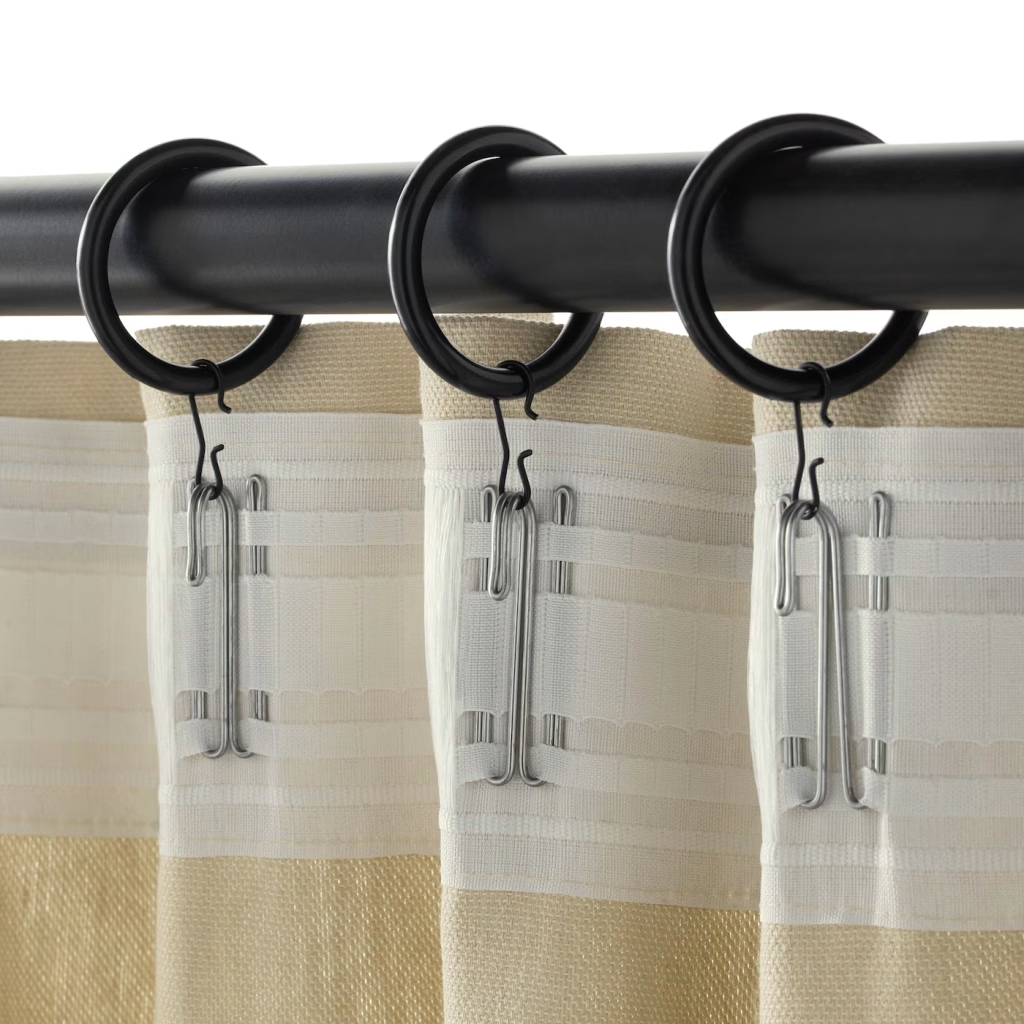
First off, let’s talk about the classic ring and hook method. This versatile option allows for easy movement and adjustment of your drapes. Here’s how it works: you insert hooks into the pleats of your drapes and then attach them to rings that slide over the rod. As a result, you get a smooth, effortless glide when opening or closing your curtains.
Photo Credit, Linen Handmade Studio
Rod Pocket
Next up, we have the rod pocket method. In this case, the top of your drape features a sewn pocket that the rod slides through. Consequently, you get a charming gathered look. However, it’s worth noting that this style can be a bit tricky to open and close smoothly.
Photo Credit, Pottery Barn
Grommets
Moving on to a more modern option, we have the grommet method. For this style, metal rings are inserted directly into the fabric. Then, you simply slide the rod through these grommets. As a result, you get a sleek, contemporary look with the added bonus of smooth movement.
Photo Credit, IKEA
Specialty Pleat Method
Finally, let’s discuss hanging curtains with specialty pleats like pinch pleats or box pleats. In this case, you’ll need to use drapery hooks or pins. First, you insert these hooks or pins directly into the pleats. Then, you attach them to drapery rings that slide onto the curtain rod. Consequently, this method allows intricate pleat styles to maintain their tailored shape and structure while still gliding smoothly along the rod.
Pleat Styles for Curtains and Drapes
Not sure how to hang different types of curtain pleats? Let’s explore some timeless and stylish curtain pleats that can elevate your window treatments. Each pleat style has its unique charm and pairs well with different interior design aesthetics. Here’s a breakdown of some popular pleat styles and how to hang them.
Photo Credit, Pottery Barn
Pinch Pleat
Embodying timeless elegance, the pinch pleat is a classic style that exudes sophistication. Expertly crafted by pinching and sewing the fabric at intervals, this technique creates a tailored and polished look that instantly elevates the formality of any window treatment.
For those seeking a structured and refined aesthetic, the box pleat is a true masterpiece. Each pleat is meticulously sewn into a crisp, rectangular shape, with the fabric folded and secured to maintain its precise form. The resulting visually striking and elegant appearance commands attention, exuding a tailored and sophisticated look that elevates any window treatment.
Combining the best of both worlds, the goblet pleat seamlessly blends the sophistication of pinch pleats with a touch of whimsy. Its rounded top resembles the shape of a goblet, adding a unique and charming twist to the traditional pleat style.
Effortlessly chic and understated, the pencil pleat is the epitome of casual elegance. Narrow and evenly spaced, these pleats create a relaxed and inviting ambiance, perfect for those seeking a more laid-back yet stylish window treatment option.
Euro pleats, also known as top tack pleats, are a sophisticated style where the fabric is pinched and sewn at the top, but left open and flowing at the bottom While they make look similar to a pinch pleat, euro pleats are sewn together rather than gathered with hooks and pins.
The ripplefold pleat is a contemporary and sleek style that creates a continuous, wave-like pattern across the drapery panel. This pleat style is achieved by sewing alternating straight and soft folds into the fabric, resulting in a modern, minimalist look. Ripplefold pleats are an excellent choice for clean-lined interior design styles like modern, minimalist, and Scandinavian, adding subtle texture and movement to window treatments.
Transform your space with the perfect window treatments! At Dwellier Design, we’re experts in all types of curtains, blinds, and drapes. Wondering about curtains vs blinds? Or drapes vs blinds? We’ve got you covered. Our personalized Interior Design Services guide you through the nuances of different window hangings, from sleek modern blinds to elegant pinch-pleat drapes.
Not sure about your style? Take our exclusive Style Quiz to unlock your true design aesthetic. Whether you’re drawn to farmhouse charm, boho vibes, or contemporary chic, we’ll help you choose window treatments that perfectly express your unique taste.
With Dwellier Design, you’ll confidently navigate the world of window hangings. From hanging methods to pleat styles, we’ll ensure your curtains, blinds, or drapes create a cohesive, visually stunning space. Ready to elevate your interior? Let’s start your window treatment journey today!